
Quick answer
Since 2021, Nevada law lets a survivor of childhood sexual abuse sue the person who committed the abuse at any time (NRS 11.215). Claims against a church or other institution can follow different deadlines, so the timing of a case should be reviewed early.
How Long Do You Have to Sue a Church for Abuse in Nevada?
Nevada has extended the statute of limitations for childhood sexual abuse — but the clock is still running. Las Vegas attorney Frank Stucki explains your deadlines and legal options.
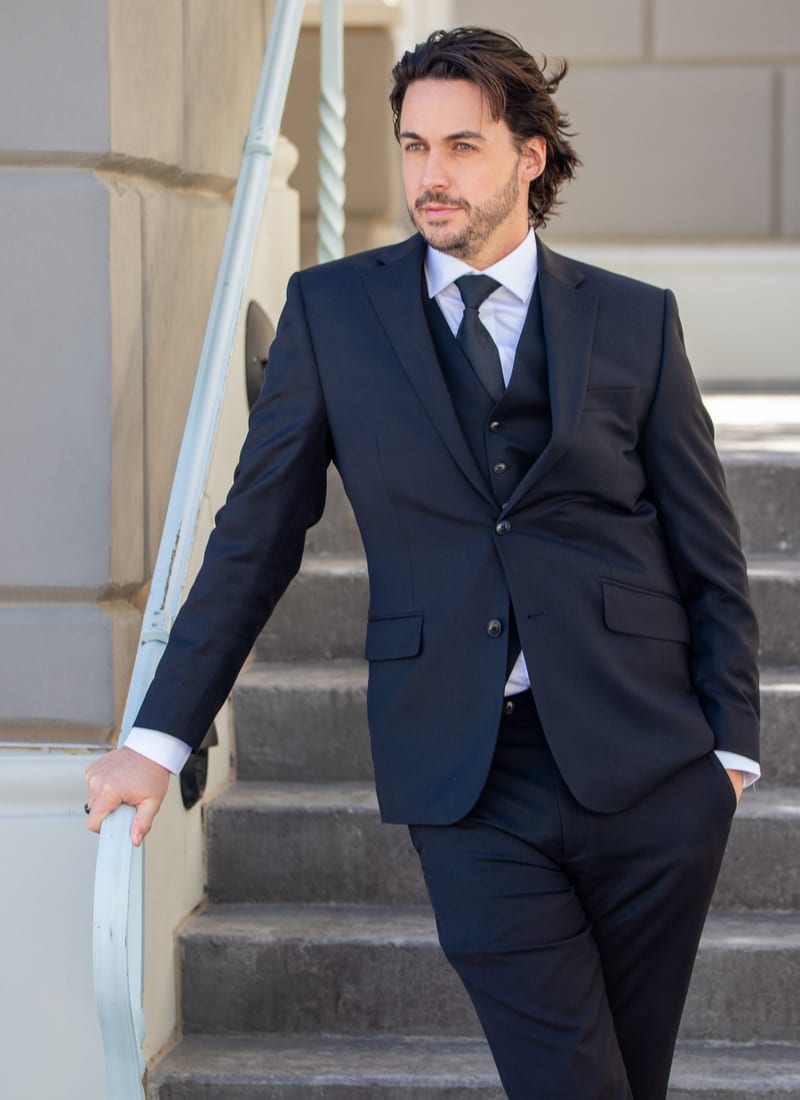
Las Vegas Trial Attorney — Licensed in NV, WA & UT — CA with co-counsel
The Short Answer: It Depends on When the Abuse Happened
Nevada law treats childhood sexual abuse differently from other civil claims — and the rules changed significantly in 2021. Since 2021, Nevada law lets a survivor of childhood sexual abuse sue the person who committed the abuse at any time (NRS 11.215). Claims against a church or other institution can follow different deadlines, so the timing of a case should be reviewed early.
For adult survivors — people who were abused as adults — the general rule is two years from the date you discovered, or reasonably should have discovered, that the abuse caused you harm. This "discovery rule" matters because the psychological effects of abuse often surface years after the events themselves.
What Nevada's Law on Childhood Sexual Abuse Actually Says
Before the law changed, Nevada had a statute of limitations for childhood sexual abuse civil claims — survivors had a limited window, often tied to their 18th birthday plus a few years. Many survivors lost their right to sue simply because they didn't understand the law, or because the psychological effects of trauma delayed their ability to come forward.
The legislature recognized what trauma researchers have documented for decades: survivors of childhood sexual abuse often cannot process what happened to them — let alone pursue legal action — until years or even decades later. The law now reflects that reality for claims against the individual abuser.
The practical effect: if you were sexually abused as a child by a priest, pastor, youth leader, or any other member of a religious institution, you may still be able to file a civil lawsuit in Nevada today — but the deadline for claims against the institution itself should be reviewed with an attorney, as different rules may apply.
Suing the Institution, Not Just the Individual
One of the most important things to understand about church abuse lawsuits is that the individual abuser is rarely the only defendant — and often not the most important one.
Religious institutions can be held directly liable for their own conduct. When an institution knew — or should have known — about an abuser and failed to act, it can be held financially responsible for the harm that followed.
- Negligent hiring — placing someone in a position of trust without adequate screening
- Failure to supervise — allowing unsupervised access to minors despite warning signs
- Covering up complaints — receiving reports of abuse and protecting the institution instead of the victim
- Transferring known abusers — moving a predator to a new congregation rather than removing them
- Failure to report — not notifying law enforcement when required by Nevada's mandatory reporting laws
Does It Matter If There Was No Criminal Case?
No. A civil lawsuit is completely independent of the criminal justice system. You do not need a criminal conviction, a criminal investigation, or even a police report to pursue a civil claim.
The standard of proof in civil court is "preponderance of the evidence" — meaning it is more likely than not that the abuse occurred and caused harm. That is a significantly lower bar than the "beyond a reasonable doubt" standard required in criminal court.
Many survivors pursue civil cases precisely because the criminal system failed them — charges were never filed, the abuser was acquitted, or the statute of limitations for criminal prosecution had already run. The civil system offers a separate path to accountability.
What About Abuse That Happened in Another State?
If the abuse occurred in California, Utah, or Washington, different statutes of limitations apply — and each of those states has also made significant changes to their laws in recent years. California, in particular, has one of the most survivor-friendly legal frameworks in the country.
Frank Stucki is licensed in Nevada, Washington, and Utah. Cases in California and other states are handled in association with local co-counsel licensed there. If you were abused in any of those states — or if the institution is headquartered in one state while the abuse occurred in another — he can evaluate which jurisdiction gives you the strongest path forward.
Why Acting Early Still Matters
Even when a deadline has not passed, waiting has real costs. Witnesses move, memories fade, and institutions destroy records. The longer a case waits, the harder it becomes to build. Evidence that exists today may not exist in five years.
There is also the question of other survivors. Institutions that enabled one abuser often enabled others. A lawsuit can surface records, force depositions, and expose patterns that protect people who haven't come forward yet.
The consultation is free and confidential. You don't have to decide anything in that first conversation — but knowing where you stand legally costs nothing.
Frequently Asked Questions
How long do I have to sue a church for abuse in Nevada?
Since 2021, Nevada law lets a survivor of childhood sexual abuse sue the person who committed the abuse at any time (NRS 11.215). Claims against a church or other institution can follow different deadlines. Because the rules depend on the specific facts of your case, speaking with an attorney as soon as possible is critical.
Can I sue a church even if the abuser was never criminally charged?
Yes. A civil lawsuit is entirely separate from the criminal justice system. You do not need a criminal conviction — or even a criminal investigation — to pursue a civil claim. The standard of proof in civil court is lower, and the institution itself can be held liable for its own conduct independent of what happened in any criminal proceeding.
Who can be held liable — just the abuser?
No. The institution itself — the diocese, congregation, denomination, or parent organization — can bear significant legal responsibility if it knew or should have known about an abuser and failed to act. This is often where the most meaningful accountability and financial recovery comes from.
What if the abuse happened decades ago?
Since 2021, Nevada law lets a survivor of childhood sexual abuse sue the person who committed the abuse at any time (NRS 11.215). Claims against the institution may follow different deadlines. The most important step is to speak with an attorney who can evaluate the specific facts of your case.
About the author
Frank Stucki, Esq., MBAFrank is a trial attorney licensed in Nevada, Washington, and Utah, handling personal injury, institutional abuse, and catastrophic injury cases. California and other states are handled with local co-counsel.
Talk to Frank — 702.702.BORN
The consultation is free and confidential. No obligation. No attorney fee unless there is a recovery.
This article is general information, not legal advice. Reading it does not create an attorney-client relationship.